
Every ascent begins with trust—the trust you place in your gear, your preparation, and your own abilities. Among all climbing equipment, the climbing rope is the ultimate lifeline, offering security, balance, and freedom to explore rugged terrain with confidence. Whether you are scaling jagged cliffs, navigating steep alpine routes, or tackling adventurous outdoor climbs, choosing the right rope is a decision that shapes your entire experience.

The Role of Climbing Rope in Rugged Adventures
Safety First: Your Lifeline on the Wall
The Role of Climbing Rope extends beyond being a simple tether. It absorbs shock during falls, provides control during rappelling, and creates a dependable link between climber and belayer. A rope is the unseen partner that works tirelessly in every adventure.
Confidence in Every Grip
When climbers know their rope is durable and adventure-ready, they climb with enhanced focus and courage. A strong rope paired with reliable carabiners transforms every ascent into a journey of calculated confidence rather than anxious hesitation.
Choosing the Right Outdoor Climbing Rope
Durability for Harsh Terrain
Climbing on rough rock, abrasive ledges, and challenging conditions demands a rope that can withstand friction. A premium outdoor climbing rope should retain its integrity after repeated use, keeping climbers safe no matter how rugged the path.
Flexibility and Handling
While durability is crucial, handling also matters. A rope that feels balanced in the hands, flows smoothly through belay devices, and knots efficiently ensures that climbers can focus on movement instead of fighting with tangled or stiff lines.
Sterling SuperStatic Nylon Rope – Product Spotlight
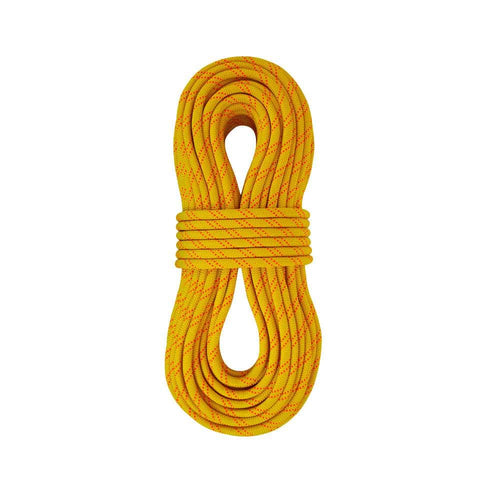
The Sterling SuperStatic Nylon Rope is crafted for climbers who demand resilience and consistency on rugged climbs. Engineered with advanced nylon fibers, this rope ensures both safety and practicality. Its robust structure withstands friction from rocks and rough surfaces while maintaining flexibility for smooth use. Perfect for extended outdoor adventures, it is designed to support climbers in even the harshest conditions.
Key Features:
- Made from durable nylon fibers built to endure heavy use
- Provides excellent resistance to abrasion and rugged surfaces
- Smooth handling for efficient belaying and knotting
- Reliable choice for outdoor climbers seeking long-lasting performance
Key Factors When You Buy Rope for Climbing
Strength and Reliability
When preparing to buy rope, climbers should evaluate tensile strength and performance under load. A rope with proven reliability gives peace of mind when navigating unpredictable terrain.
Length and Thickness
Selecting the right length ensures adequate coverage for climbs, while a thick rope offers additional security and longer life span. Both factors influence the rope’s ability to handle falls and provide consistent support.
Essential Tips for Rope Maintenance
Cleaning and Storage
Dust, mud, and sharp particles can weaken a rope over time. Cleaning it with mild soap and drying it away from direct sunlight helps preserve its strength. Storing it loosely coiled in a cool, dry environment further extends its lifespan.
Regular Inspections
Frequent inspection ensures that abrasions, frays, or soft spots are caught early. By examining your rope before and after every climb, you maintain control over your safety.
Must-Have Accessories for Rugged Climbs
Carabiners: The Perfect Companion
No rope system is complete without carabiners. These compact tools create secure connections between rope, harness, and protection points. Their strength and locking mechanisms keep every move safe.
Harnesses and Belay Devices
To maximize the performance of your rope, pair it with a comfortable harness and a dependable belay device. Together, these essentials distribute force effectively and add layers of safety to your climb.

- Match the terrain: Rugged mountains need tougher, abrasion-resistant rope.
- Check thickness: A thick rope provides durability, while lighter options ease handling.
- Assess flexibility: Smooth handling reduces strain during long climbs.
- Pair with gear: Use quality carabiners and harnesses to optimize performance.
FAQs
How often should I replace my climbing rope?
It depends on usage. For frequent climbers, replacing every 1–2 years is recommended. If used occasionally and maintained properly, a rope can last up to 5 years. Always retire it if there are visible signs of wear.
Can I use the same rope for indoor and outdoor climbing?
Yes, but an outdoor climbing rope is specifically built for rugged conditions. Indoor ropes may not offer the same resistance to abrasion and environmental stress.
Why does rope thickness matter in climbing?
A thick rope is more durable and resists wear over time, making it a smart choice for rough terrain. However, thinner ropes are lighter and may be preferable for certain types of climbs.
How do I safely clean my climbing rope?
Use lukewarm water and mild soap, then air-dry it away from direct sunlight. Avoid harsh chemicals or machine washing, as these can weaken the rope’s fibers.